Book direct — no booking fee · Free cancellation up to 24 hours · Guides speak English, French, Italian, Spanish and GermanBook direct · Free cancellation up to 24 hours

Author: pctadmin

  • Delhi to Jaipur by road: the stops worth making

    Delhi to Jaipur by road: the stops worth making

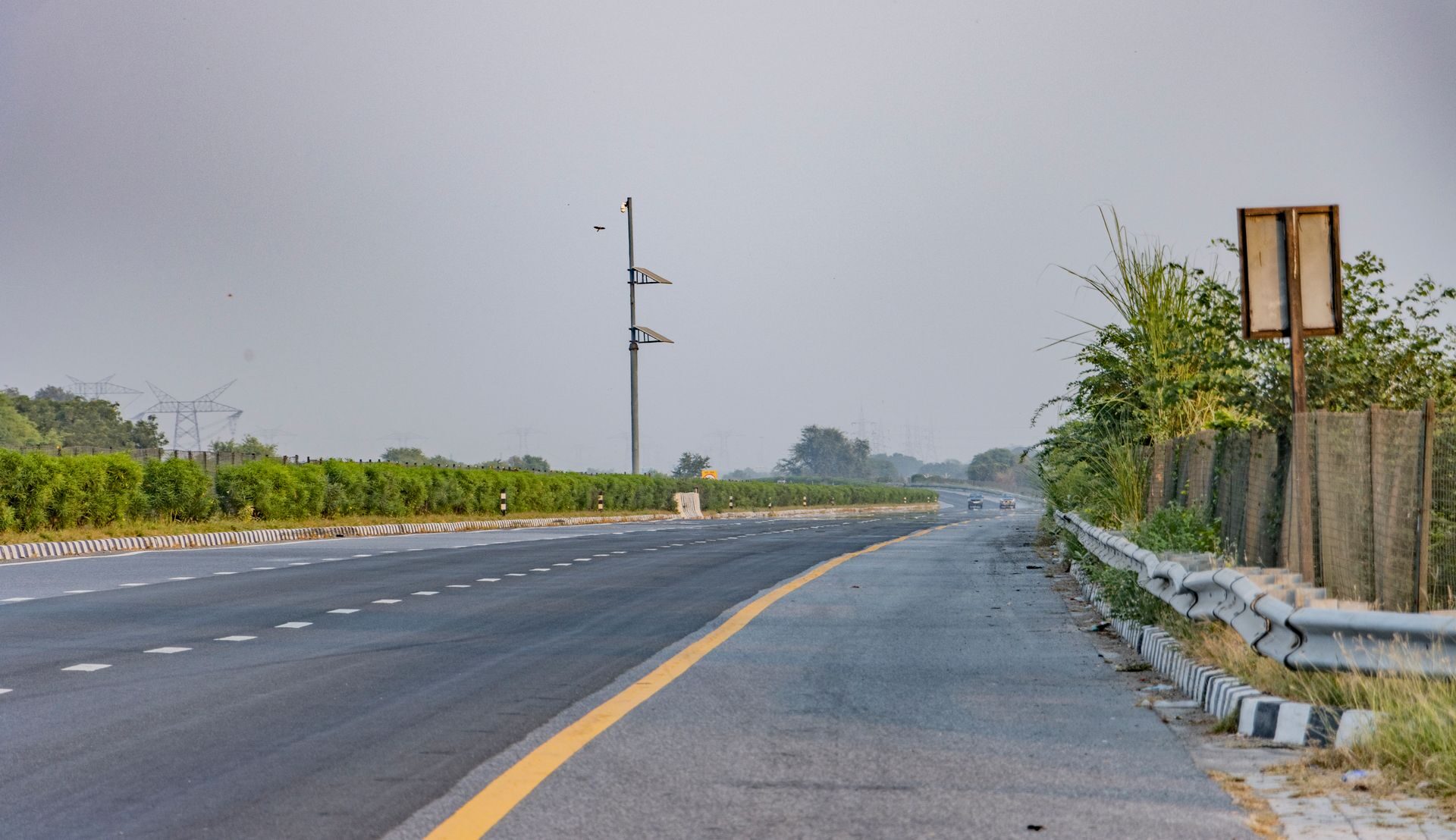
    Delhi to Jaipur is about 280 km. Driven straight it is four to five hours of highway and a tea stop. Driven as a day, it is a far better introduction to Rajasthan than arriving at lunchtime and going straight to a hotel.

    The stops below add three to four hours. If you are moving hotels anyway, the day costs you nothing you were using for something else.

    Neemrana Fort Palace

    About two hours out of Delhi, a fifteenth-century fort built into a hillside in tiers and now run as a hotel. Non-residents can usually visit for an entry fee that is redeemable against lunch, which makes it the most civilised possible place to break the drive. Go up to the top terraces; the view back over the plain is the moment you understand you have left the Delhi basin.

    Chand Baori at Abhaneri

    This one is a detour off the direct route — it sits closer to the Jaipur–Agra road — so it belongs on a Delhi–Agra–Jaipur triangle rather than a straight Delhi–Jaipur run. But if your route allows it: 3,500 steps in perfect symmetry descending thirteen storeys into the ground, built in the ninth century as a reservoir. There is nothing else quite like it in India and it takes twenty minutes.

    Samode, if you want the arrival to feel like something

    Forty minutes short of Jaipur, a painted palace in a village at the end of a valley. The Sheesh Mahal there is a smaller, quieter cousin of Amber’s and you will likely have it to yourself. It works particularly well as the last stop before the city, when a fort you can walk around in half an hour is more welcome than another two-hour monument.

    Practical notes

    • Leave Delhi before eight or after ten. The window in between is the worst of the city’s traffic and can cost you an hour before you reach open road.
    • Eat at Neemrana or at a highway dhaba, not in between. The stretch after Behror is thin on good options.
    • Tolls are paid by us, not by you, on our transfers — but do ask, because on a cheap quote they often are not.
    • Arrive before dark if you can. Jaipur’s walled city is much easier to orientate yourself in with daylight left.

    The alternative

    There is a fast train between Delhi and Jaipur, and for a solo traveller on a budget it is a perfectly good option — roughly four and a half hours, comfortable, and you arrive in the middle of the city. What you lose is the stops, and the ability to change your mind at eleven in the morning.

    Our Delhi to Jaipur transfer includes the stops as standard rather than as an upsell. Tell us which of them appeal and we will shape the day around it.
  • Amber Fort in three hours: what to see, and what to skip

    Amber Fort in three hours: what to see, and what to skip

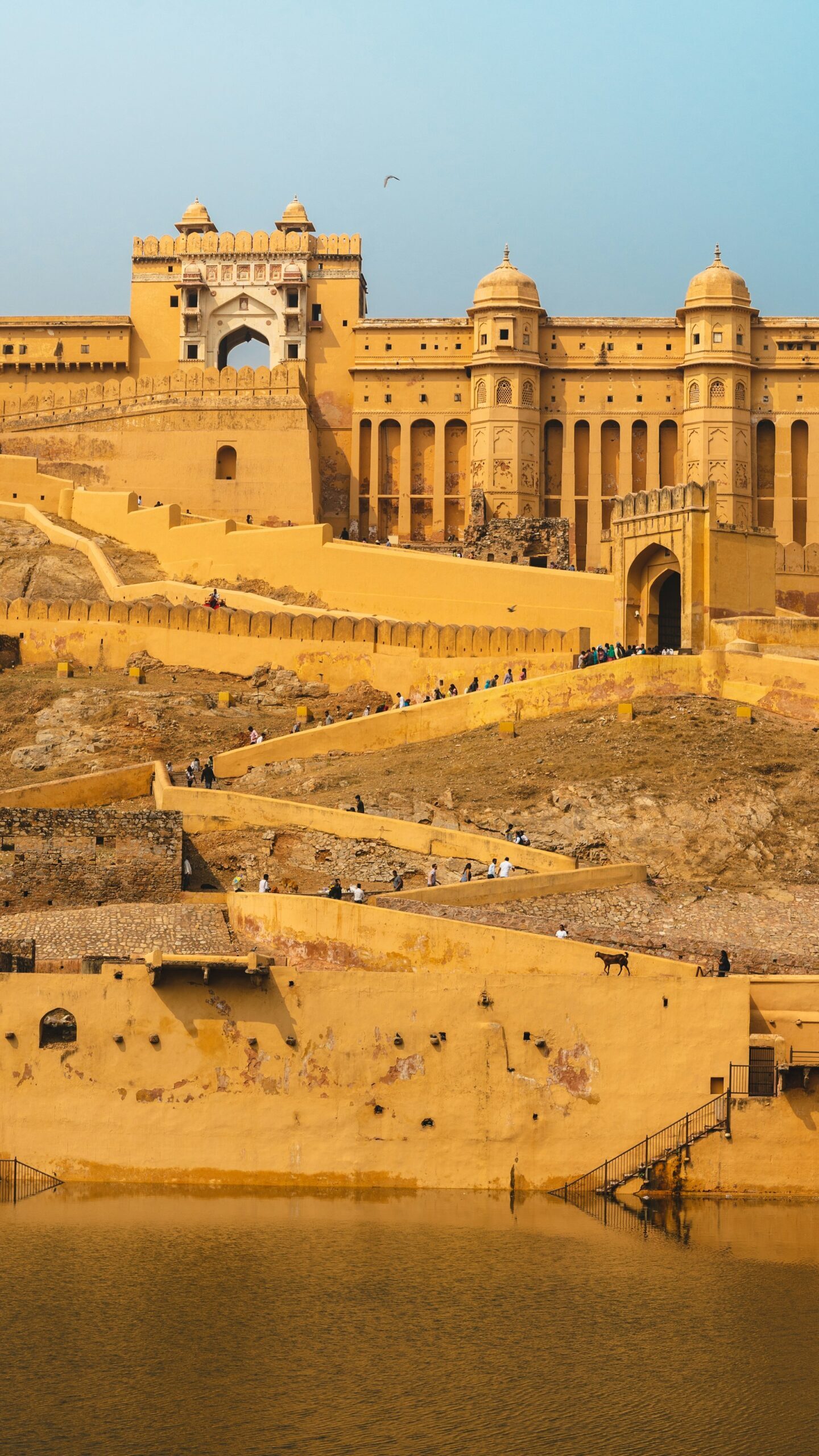
    Amber is four courtyards on a hillside, built over about a hundred and fifty years, and most visitors see the first two and a half. Here is a route that fits three hours and takes in the parts that make it worth the climb.

    Getting up there

    Three ways: on foot up the cobbled ramp, by jeep, or by elephant. The walk is about fifteen minutes and is genuinely pleasant early in the day. The jeep is quick. We do not arrange elephant rides — the welfare questions around them are unresolved and we would rather not be part of it.

    Arrive at eight, when it opens. Not half past nine. The difference in the Sheesh Mahal alone is worth the alarm.

    Jaleb Chowk, the first courtyard

    This is where the returning armies assembled. It is large, largely empty, and most people cross it in ninety seconds. Stop at the far end and look back at the wall running up over the ridge — that is the fortification line connecting Amber to Jaigarh above, and it tells you what this place was for before it was beautiful.

    Diwan-i-Aam, the second courtyard

    The Hall of Public Audience: a raised platform, double rows of columns, elephant capitals. Look up at the capitals rather than out at the view. Then the Ganesh Pol, which is the gateway everyone photographs, and correctly — the frescoed facade above it is the best-preserved painted surface in the complex.

    The third courtyard: Sheesh Mahal and Sukh Niwas

    The mirror palace is the famous room and it deserves the fuss. It is also small, and by eleven it is a scrum. Early, with the light coming in at an angle, the ceiling does the thing it was built to do.

    Directly opposite, and skipped by most of the tour groups, is Sukh Niwas — the pleasure hall, cooled by water running down a marble channel through the room and out into the garden. It is a seventeenth-century air-conditioning system and it worked. Stand in the doorway for a minute and you can still feel the draught it was designed to create.

    The fourth courtyard, which almost nobody reaches

    This is the zenana, where the women of the court lived: a ring of twelve apartments around a central courtyard, arranged so the maharaja could visit one without the others knowing. The rooms are plainer and largely unrestored, and it is the quietest part of the fort by a long way. It is also the part that makes Amber feel like somewhere people lived rather than a monument.

    What to skip

    • The light and sound show, unless you are staying in Jaipur specifically for an evening and have already seen the fort by day.
    • The souvenir shops inside the second courtyard. Everything there is cheaper three kilometres down the hill.
    • Jaigarh on the same morning, if you only have one day. It is a fine fort with an enormous cannon, and it will not get the attention it deserves as your second stop before lunch.

    A licensed guide turns Amber from an hour of pretty rooms into a story about a family, which is the difference worth paying for. Our Amber tours run first thing in the morning for exactly the reasons above.

  • How to spot a commission tour in India, and why it matters

    How to spot a commission tour in India, and why it matters

    We are a Jaipur company writing about a Jaipur problem, so read this with that in mind. But the mechanics below are not in dispute and every honest operator in this city knows them.

    How it works

    A shop — carpets, gems, textiles, marble inlay — pays a driver or a guide a percentage of whatever you spend. Commonly a large percentage. The shop covers it by raising its prices, so you pay the commission whether you know about it or not.

    Because the commission can be worth more than the driver’s fee for the day, the economics of a cheap tour often depend on it. That is why a car and driver for a full day can be quoted at a price that would not cover the fuel: the real product is not the tour, it is delivering you to two shops.

    What it costs you

    • Time. Two shopping stops is ninety minutes, usually taken out of the monuments.
    • Money. You are paying an inflated price and calling it a bargain.
    • The day itself. The pressure to buy is the thing people remember, and it is not what they flew here for.

    How to tell before you book

    Ask these four questions. The answers are more revealing than any review page.

    • “Does the itinerary include any shopping stops?” A straight no, in writing, is the answer you want. “Only if you want to” is fine if it is followed by “and we will not take you unless you ask”.
    • “Is the driver paid a commission by any shop?” Vague answers are answers.
    • “What is the car and driver rate for the day, separately from the tour?” If the full-day price is implausibly low, something else is paying for it.
    • “Is the guide government-licensed for this region?” Licensed guides sit an examination and can lose the licence. It is a real constraint and it changes behaviour.

    If the price does not cover the day, something else is paying for it, and that something is you.

    If you do want to shop

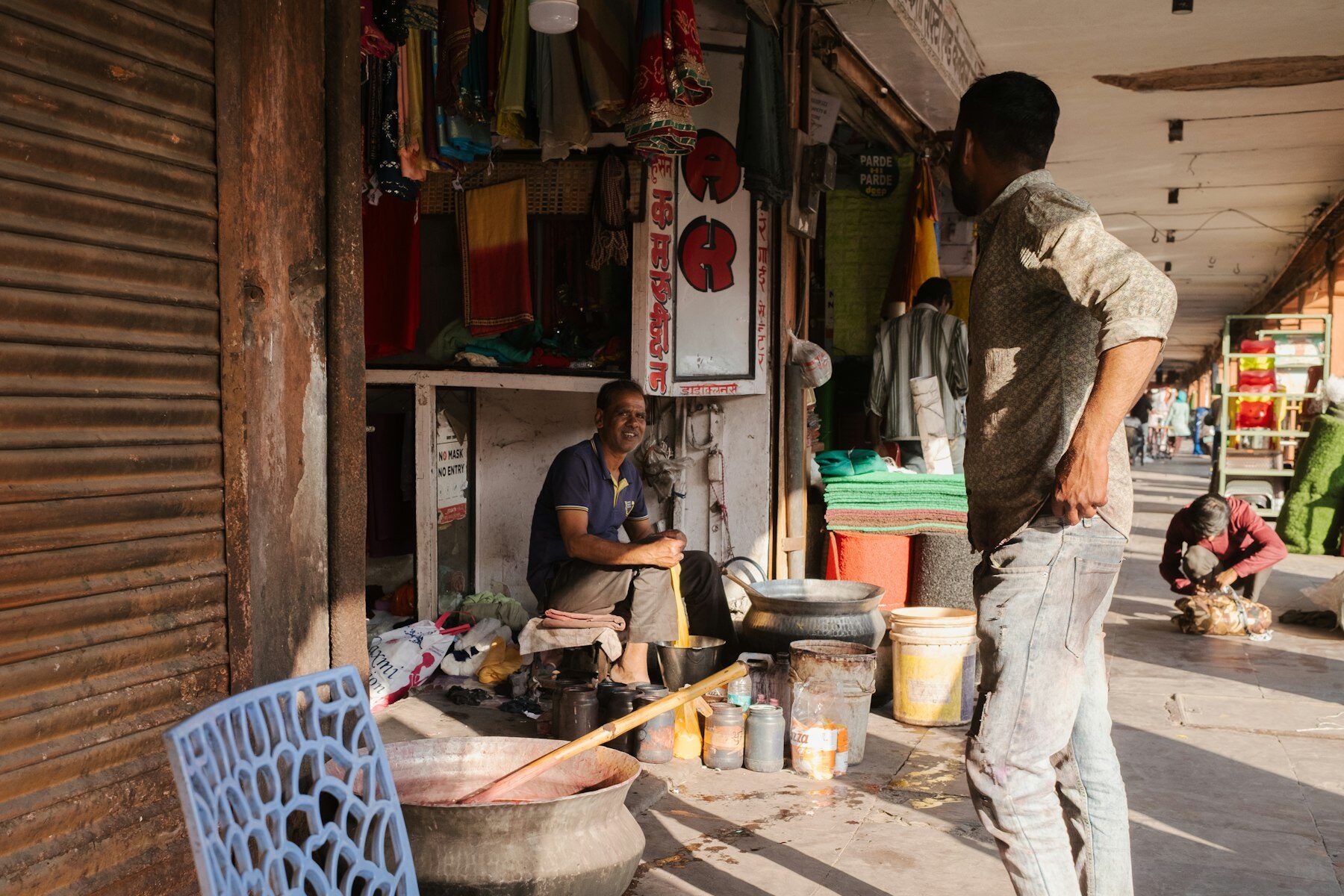
    Plenty of travellers come to Jaipur specifically for block-printed textiles, blue pottery or gemstones, and they should. The difference is direction: you choose the shop and say so, rather than being taken to one. Ask for a workshop where things are actually made, go in the morning, and be entirely comfortable walking out.

    Where we stand

    We do not take anyone to a shop for commission, and our drivers are not paid by shops. If you ask to see a block-printing workshop or a gem cutter we will take you to one, and we will tell you plainly that we have no financial interest in whether you buy anything.

    That is not a moral position so much as a business one. Our tours are priced to cover the day, so they do not need to be subsidised by your afternoon.

  • When to visit Rajasthan, month by month

    When to visit Rajasthan, month by month

    Ask anyone when to visit Rajasthan and you will be told October to March. That is correct and not very useful, because November and March are not the same trip, and because the months everyone warns you off have things to recommend them.

    October — the door opening

    The monsoon has usually let go by early October and the landscape is still green from it, which is the one time of year Rajasthan does not look like a desert. Days are warm, in the low thirties, and the light is clean. Festival season begins. This is an underrated month.

    November to February — the season, and it earns the name

    Days in the low to mid twenties, dry air, reliable light. This is when the forts photograph the way they do in the brochures and when walking around a city for six hours is a pleasure rather than an endurance test.

    The thing nobody mentions when you are packing in August: desert nights in December and January get genuinely cold, close to freezing out towards Jaisalmer and Bikaner. Bring a jacket. You will feel silly putting it in the case and grateful at six in the morning at Amber.

    This is also the busiest and most expensive window. Book earlier than feels necessary, particularly around Christmas and New Year.

    March — the last good month, and Holi

    Early March is still comfortable. By the end of it the heat has arrived. Holi falls in March most years and is genuinely worth planning around, with the caveat that it is loud, chaotic and not for everyone.

    April to June — hot, and not impossible

    May afternoons above 40°C are ordinary. It sounds disqualifying, and for a packed itinerary it is. But a Rajasthan summer day done properly — out at six, back indoors by eleven, out again at five — is quiet, cheap, and you will have Amber Fort almost to yourself.

    If you come in summer, come with a plan built around the heat rather than one that ignores it.

    July to September — the monsoon

    Humid, green, dramatic, and the cheapest time of year by a distance. Rain comes in afternoon bursts rather than all-day drizzle. The forts against wet skies are extraordinary, Udaipur’s lakes actually fill, and the crowds are gone.

    The trade-off is that an outdoor plan will get rearranged at least once. If you are flexible about which day you do what, the monsoon is a better trip than its reputation suggests.

    The short version

    • First visit, want the postcard: November to February.
    • Want the season without the crowd: October or early March.
    • Photographers and people who like an empty fort: monsoon.
    • Tight budget, flexible plan: July to September.
    • Avoid: a packed multi-city itinerary in May and June.

    Whenever you come, tell us the dates and we will build the day around the weather rather than in spite of it.

  • The Taj Mahal at sunrise from Jaipur: what the day really looks like

    The Taj Mahal at sunrise from Jaipur: what the day really looks like

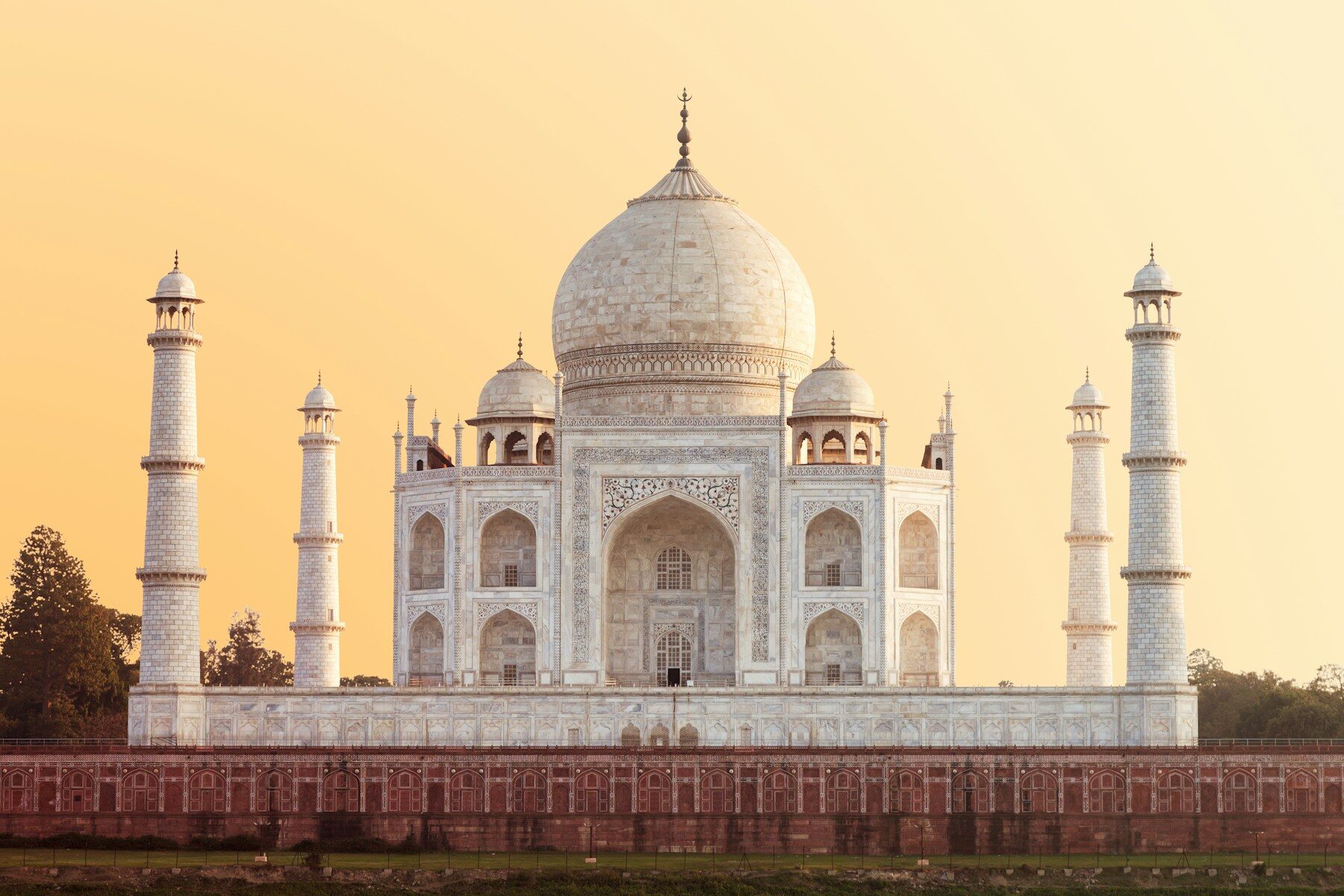
    Taj Mahal at sunrise, there and back from Jaipur, is the single most requested day we run. It is also the one most often sold to people without anyone telling them what it actually involves. So here it is, hour by hour.

    The timings, from the monument itself

    The Taj Mahal opens thirty minutes before sunrise and closes thirty minutes before sunset. It is closed every Friday for general visits. Ticket counters at the West and East gates open an hour before sunrise and shut forty-five minutes before sunset. The South gate is exit only.

    Entry for foreign visitors is ₹1,100, with an extra ₹200 if you want to go inside the main mausoleum itself. Booking online saves ₹50. Children under fifteen are free.

    The day

    • 2.30am to 3.00am — pick-up from your Jaipur hotel. There is no gentler version of this.
    • 3.00am to 7.00am — about 240 km of road, four to five hours with one tea stop. Sleep in the car; that is what the car is for.
    • 7.00am — gate, security, and in. You are inside within the first half hour of opening.
    • 7.00am to 9.30am — the Taj, unhurried, with a licensed Agra guide.
    • 10.00am — breakfast, properly, sitting down.
    • 11.00am to 1.00pm — Agra Fort, which is the part everybody underestimates.
    • 2.00pm — start back. Home in Jaipur by early evening.

    Three things people wish they had known

    Sunrise is not a photograph, it is a window. Agra is often hazy in winter, and there are mornings when the sun does not appear as a disc at all. What you are buying with the early start is not guaranteed golden light — it is the first hour, when the marble is cool, the crowd is a fraction of what it becomes by ten, and you can stand in front of the building without anyone behind you.

    The mausoleum queue is separate. The ₹200 ticket lets you inside the central chamber where the cenotaphs are. It is dark, it is quick, and there is no photography. Worth it once; skip it without regret if the queue is long and the light outside is good.

    Agra Fort is not the consolation prize. It is the fort Shah Jahan was imprisoned in by his son, with a view across the river to the tomb he built for his wife. Most people give it forty minutes on the way out. Give it two hours.

    Doing it in a day, or staying the night

    If the Taj is the reason you came to India, consider staying in Agra the night before rather than driving through the dark. You get the same sunrise without the 2.30am start, and you get the Taj again at sunset, which is a different building entirely.

    If you have one day and it has to come out of your Jaipur time, then the long day works and thousands of people do it happily. Just do not let it land on a Friday.

    See the Agra day tours, or tell us your dates and we will say honestly which version suits you.

  • One day in Jaipur: the order that actually works

    One day in Jaipur: the order that actually works

    Almost every one-day Jaipur itinerary lists the same six places: Amber Fort, Jal Mahal, City Palace, Jantar Mantar, Hawa Mahal, and something at sunset. The list is fine. The order is usually wrong, and the order is what decides whether you spend the day looking at Rajasthan or queuing in it.

    Here is the sequence we use, and why each piece sits where it does.

    8.00am — Amber Fort, before anyone else

    Amber opens at eight. If you are at the gate at eight, you will walk up through the Suraj Pol with the courtyards nearly empty and the light still low and warm on the sandstone. By half past ten the same courtyards are shoulder to shoulder and the Sheesh Mahal is a queue rather than a room.

    Give it two and a half to three hours. It is bigger than photographs suggest, and the parts people skip — Sukh Niwas with its water-cooled channels, the fourth courtyard where the zenana lived — are the parts that make it a palace rather than a fort.

    11.00am — Panna Meena stepwell and Jal Mahal, on the way back

    Both are five-minute stops, both are on the road between Amber and the city, and both are better before midday when the light still has an angle to it. Jal Mahal is a photograph, not a visit: you cannot go inside, and nobody should tell you otherwise.

    12.30pm — lunch, and then the heat

    This is the hour that separates a planned day from a listed one. Between about half past twelve and half past three, Jaipur in anything other than deep winter is uncomfortable outdoors. Eat properly, sit somewhere cool, and let the worst of it pass. You are not losing time; you are moving it to where it is worth more.

    A day in Jaipur is not short of hours. It is short of good hours.

    3.30pm — City Palace and Jantar Mantar

    Both are in the same walled-city block, both close around five, and both are considerably more bearable in the late afternoon. Jantar Mantar makes no sense without someone explaining it — it is nineteen instruments and a lot of stone stairs otherwise — and about forty minutes with a guide turns it into the most interesting thing you see all day.

    5.15pm — Hawa Mahal from the street

    The famous facade faces east, into Hawa Mahal Road. The building itself takes twenty minutes from the inside and most people photograph it from the rooftop cafes opposite. Late afternoon puts the light behind you rather than in your lens.

    6.30pm — Nahargarh, or the old city after dark

    Two honest options, and they suit different people. Nahargarh gives you the whole city laid out below with the lights coming on. The old city at night — Johari Bazaar, Bapu Bazaar, the food streets around Chandpole — gives you the city itself rather than a view of it. Pick one. Trying to do both is how you end up doing neither properly.

    What we would leave out

    • Elephant rides at Amber. The welfare questions are real and unresolved. A jeep or the fifteen-minute walk up does the same job.
    • A fourth fort. Jaigarh, Nahargarh and Amber in one day is one fort too many. By the third, nobody is looking.
    • Any stop described as a ‘government emporium’. There is no such thing, and the commission is built into the price.

    Our Jaipur day tours run this order by default, and we will change it happily if there is something you specifically want to see. What we will not do is quietly add a shopping stop to pay for the car.